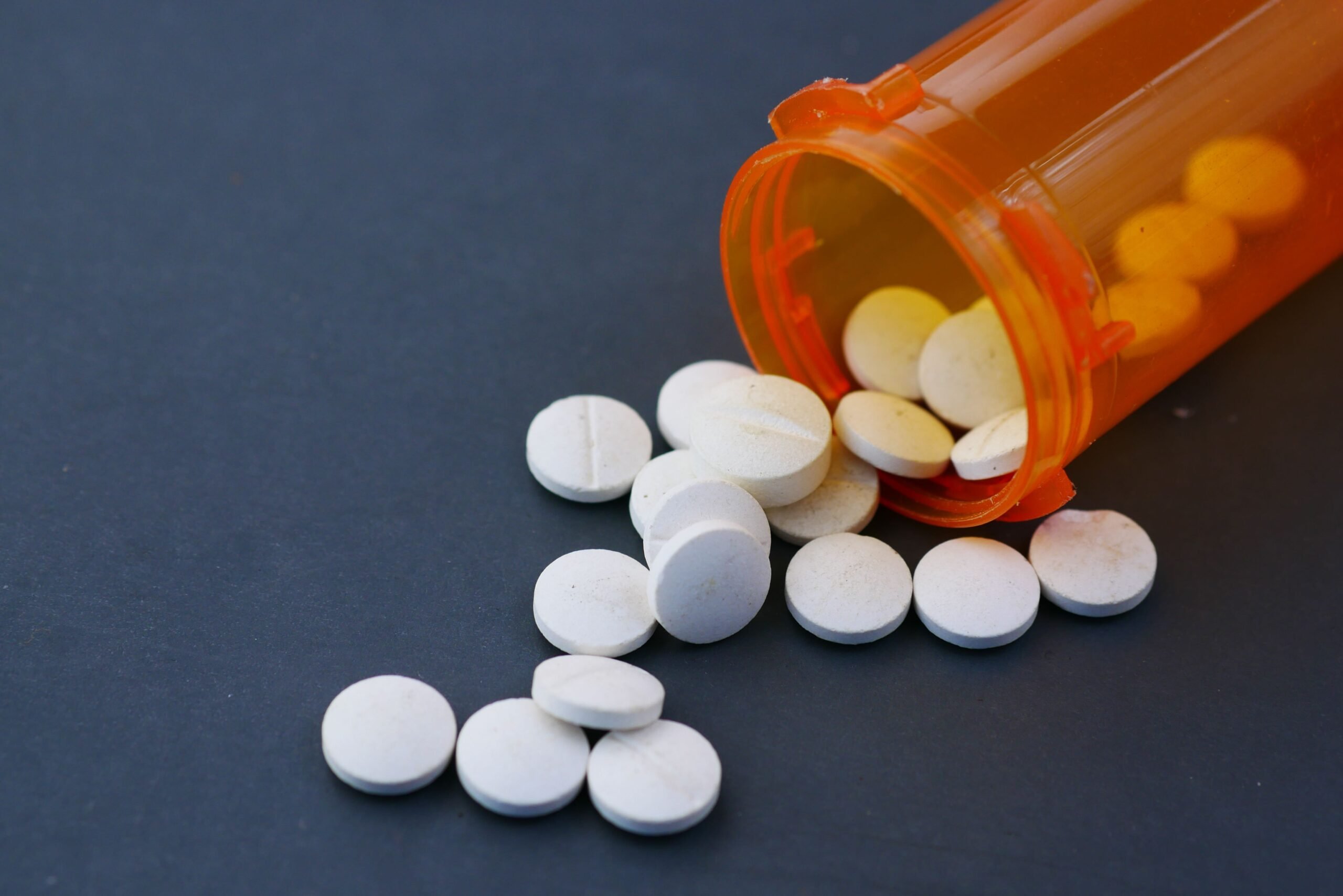
When life-saving medications for conditions like diabetes, cancer and HIV see sudden price spikes topping 1,000%, patients are the ones left bearing the cost at the pharmacy counter. Now, a major legal breakthrough could finally bring some accountability—and reshape ongoing lawsuits against dozens of other drugmakers—even if immediate relief for your wallet isn’t guaranteed.
On Nov. 16, a federal judge in Connecticut paused a long-running antitrust case after Teva Pharmaceuticals agreed in principle to settle with most U.S. states. The states accused Teva and other generic manufacturers of secretly conspiring to inflate prices of medications that millions of people depend on. While the financial terms remain private for now, here is what we know about the Teva price-fixing settlement, what’s still unclear and what it could mean for your prescriptions.
What to know about Teva Pharmaceuticals’ drug price-fixing settlement
Chief Judge Michael Shea of the federal court in Hartford, Connecticut, put the case on hold after both sides reached an agreement in principle, Reuters reported. The case was brought by 45 states, Washington, D.C. and two U.S. territories. Connecticut Attorney General William Tong’s office leads the litigation.
Notably, Teva did not immediately respond to requests for comment, according to Reuters.
“An ‘agreement in principle’ means the two sides agree on the main terms. It is not a final, binding settlement yet,” Jamie Davis, a healthcare and compliance attorney, told Blavity Health. “They still have to sign a final written agreement, and each state has to approve it through its own process.” She added that deals “can still change or fall apart at this stage.”
Why did U.S. states accuse Teva Pharmaceuticals of price fixing?
The states say that starting in 2012, Teva and other generic drugmakers coordinated their prices rather than competing. According to the lawsuit, the companies agreed to each keep a “fair share” of the market for specific drugs. Meanwhile, they allegedly worked together to raise prices on as many medications as possible.
In their complaint, the states called it “one of the most egregious and damaging price-fixing conspiracies” in U.S. history. When Connecticut first announced the lawsuit in 2019, the attorney general’s office said executives allegedly met at industry events and stayed in touch by phone, email and text.
The affected drugs treat a wide range of conditions. They include medications for basic infections, diabetes, cancer, epilepsy, multiple sclerosis, HIV and ADHD, according to the Connecticut attorney general.
Teva’s separate federal criminal case
This state lawsuit is different from a federal criminal case Teva settled in 2023. Per CNBC, in that case, Teva agreed to pay a $225 million criminal penalty and sell off its line of pravastatin, a widely used cholesterol drug. Teva also agreed to donate $50 million worth of medications to humanitarian groups.
As part of that deal, Teva admitted that a single former employee agreed with competitors not to bid for certain customers in three instances between 2013 and 2015. The federal case is closed, while the state case is now heading toward a settlement.
How much did Teva allegedly increase generic drug prices?
According to the states, Teva significantly raised prices on about 112 generic drugs. Of those, the company allegedly colluded with competitors it called “high quality” on at least 86. Some of those increases topped 1,000%, the lawsuit claims, and prices spiked most sharply in 2013 and 2014.
To put that in perspective, a generic that cost $10 would cost more than $110 after a 1,000% increase. For someone filling that prescription every month, the difference adds up quickly.
It’s important to separate allegations from findings, though. These figures come from the states’ complaint, and no court has ruled on them in this case. A settlement typically resolves claims without a finding that the company broke the law.
What are generic drugs, and why are they important for affordable healthcare?
Generic drugs are copies of brand-name medications that the FDA has approved for sale once patents expire. In fact, FDA-approved generics account for more than 90% of prescriptions filled in the U.S.
By law, a generic must contain the same active ingredient, strength, dosage form and route of administration as the brand. It must also match the brand in safety, effectiveness and quality. However, the FDA allows minor differences in appearance, such as color or inactive ingredients.
Generics usually cost less because their makers don’t have to repeat the expensive clinical trials the brand already completed. Plus, as more companies make the same drug, competition pushes prices down. That’s exactly why the states argue coordinated pricing does so much damage. When competitors stop competing, patients lose the main protection that keeps generics affordable.
Switching between generic makers is usually safe. However, Jamie Winn, a pharmacist and medical director at the online pharmacy Universal Drugstore, said some drugs deserve a closer look. “For medications with a narrow therapeutic index, such as thyroid hormones (levothyroxine), blood thinners (warfarin), antiepileptics (phenytoin, carbamazepine), antiarrhythmics (digoxin, amiodarone), and immunosuppressants (tacrolimus, cyclosporine), a generic change may warrant closer monitoring,” he said.
How can pharmaceutical price fixing affect patients?
Inflated drug prices don’t stay on a balance sheet. Instead, they show up as higher copays and coinsurance, larger bills for people paying cash and rising premiums for everyone. Taxpayer-funded programs like Medicare and Medicaid also pay more, according to the Connecticut attorney general.
Cost also changes whether people take their medicine at all. In 2021, 8.2% of adults ages 18 to 64 who took prescriptions skipped doses, took less or delayed filling a prescription to save money, according to the CDC. Those rates were higher among people with disabilities and people in fair or poor health.
For people managing chronic conditions like diabetes, high blood pressure or HIV, skipping doses can lead to serious complications. Similarly, people getting care without insurance and people already juggling medical bills feel price hikes first.
Who feels the impact of higher generic drug prices most?
“Higher generic prices reach patients directly when they pay cash, have not met their deductible, or owe coinsurance, which is a percentage of the medication’s covered cost,” Winn told Blavity Health. “And when increased medication costs compete with groceries or utilities, patients may delay refills or skip doses, putting their health at serious risk.”
Even people with good coverage aren’t fully shielded. “Medicaid and private insurers often cover most of a prescription’s cost, while patients pay through copays, deductibles or coinsurance,” said Clayton Eidson, a licensed health insurance broker and founder of AZ Health Insurance Agents. Over time, Winn noted, higher spending by insurers “can lead to higher premiums or changes in a plan’s drug coverage.”
How to check if you’re paying too much for a prescription
- Compare pharmacy prices. The same medication can cost very different amounts, so call a few pharmacies or ask your insurer.
- Ask your doctor about lower-cost options. A generic or another drug in the same class may be cheaper on your plan.
- Ask about a 90-day supply. It can cost less than three 30-day fills, especially through mail order.
- Look into discount programs. Doctors, pharmacists and drugmakers sometimes offer discount cards or assistance programs.
- Never skip, cut back or stop a medication to save money without talking to your doctor first.
These tips come from Harvard Health Publishing.
Does Teva’s settlement resolve the wider generic drug price-fixing lawsuit?
No. Teva’s deal covers only its part of one case. The states’ generic drug litigation includes several separate complaints against dozens of companies and individual executives.
According to the Maryland attorney general, the litigation includes four complaints:
- A 2016 complaint against Heritage and 17 other companies over 15 generic drugs.
- The 2019 complaint against Teva and 20 of the largest U.S. generic manufacturers.
- A third complaint covering 80 topical generic drugs, 26 companies and 10 individuals.
- A 2026 complaint against Sandoz’s international parent companies.
In August 2026, a coalition of 43 states and territories reached a $400 million settlement in principle with Sandoz. Earlier, Glenmark, Lannett, Bausch, Apotex and Heritage paid a combined $96.5 million. Meanwhile, the states are preparing for a 2027 trial on the third complaint.
Judge Shea also oversees two other state antitrust lawsuits over generic drugs, Reuters reported. So even with Teva’s agreement, many claims remain unresolved.
Will patients receive compensation from Teva’s drug price-fixing settlement?
It’s too early to say. Because the settlement terms are not public, nobody outside the case knows yet whether any money will go directly to patients.
Past settlements in this litigation offer only limited clues. For example, the Sandoz announcement described money recovered for the states and new internal compliance rules. However, it did not mention refunds for individual consumers.
Still, patients may already be eligible for money from earlier settlements in this same litigation. In September 2026, Connecticut Attorney General William Tong urged consumers to check their eligibility for compensation tied to about $96.5 million in settlements with Glenmark, Lannett, Bausch, Apotex and Heritage. Those claims cover certain generic drugs bought between May 2009 and December 2019. You can check the drug list at AGGenericDrugs.com or call 1-866-290-0182.
Be cautious of anyone asking for payment to “claim” settlement money. Official claims processes run through state attorneys general.
“Most of the money in state-led settlements usually goes to the states themselves and to programs like Medicaid that paid the higher prices,” Davis said. “Patients should not expect a check from this deal unless a claims process is announced.”
What happens next in the Teva price-fixing case?
First, Teva and the states need to finalize and sign a written agreement. The Sandoz deal, for instance, depends on signatures from all necessary states and territories and on court approval. Once that happens, the financial terms should become public.
Meanwhile, the case against other defendants continues. A deal with Teva, one of the largest generic drugmakers, could add pressure on the remaining companies to settle before trial. On the other hand, some defendants may choose to fight the claims in court.
The outcome also matters beyond this case. Because price-fixing agreements between competitors are illegal under federal and state antitrust laws, these cases signal how aggressively states will police the generic drug market. Plus, ongoing federal efforts, like new rules for pharmacy benefit managers and Medicaid’s new drug payment model, are adding more scrutiny to how drug prices are set.
“When one defendant settles, the other companies lose a co-defendant, and they often face more pressure to settle,” Davis said. “Settling defendants sometimes agree to cooperate, for example by providing documents or witnesses. That can make the states’ case stronger against everyone who is still fighting before the 2027 trial.”
Bottom line
Teva has agreed in principle to settle claims that it helped inflate generic drug prices, but the terms remain private and the broader litigation continues. For now, patients can’t count on a refund. Still, comparing prices, asking about lower-cost options and keeping up with rising health insurance costs can help you protect your budget.
Frequently Asked Questions
What laws prohibit pharmaceutical companies from colluding on drug prices?
The federal Sherman Act makes it illegal for competitors to agree on prices, and most states have their own antitrust laws too, according to the Federal Trade Commission.
How can consumers check whether they’re paying too much for prescription medications?
Call a few pharmacies or ask your insurer to compare prices, and ask your doctor whether a lower-cost drug could work for you, Harvard Health Publishing advises.
Can pharmacists switch patients to a different manufacturer’s generic medication?
In most states, pharmacists can dispense a generic the FDA rates as therapeutically equivalent to your prescribed drug, though state substitution laws vary, per Pharmacy Times.
Citations
Stempel, Jonathan. Teva settles US states’ drug price-fixing case. Reuters via Yahoo Finance. Published November 16, 2026. https://finance.yahoo.com/healthcare/articles/teva-settles-us-states-drug-163205089.html
Connecticut Office of the Attorney General. Tong leads lawsuit against generic drug manufacturers in conspiracy to fix prices for over 100 drugs. Published May 12, 2019. https://portal.ct.gov/AG/Press-Releases/2019-Press-Releases/TONG-LEADS-LAWSUIT-AGAINST-GENERIC-DRUG-MANUFACTURERS-IN-CONSPIRACY-TO-FIX-PRICES-FOR-OVER-100-DRUGS
Maryland Office of the Attorney General. Attorney General Brown announces multistate $400 million settlement in principle with Sandoz over conspiracy to inflate prices of generic drugs. Published August 3, 2026. https://oag.maryland.gov/News/pages/Attorney-General-Brown-Announces-Multistate-$400-Million-Settlement-in-Principle-with-Sandoz-Over-Conspiracy-to-Inflate-Pri.aspx
Connecticut Office of the Attorney General. Attorney General Tong urges consumers to claim compensation for inflated generic drug prices. Published September 22, 2026. https://portal.ct.gov/ag/press-releases/2026-press-releases/attorney-general-tong-urges-consumers-to-claim-compensation-for-inflated-generic-drug-prices
CNBC. Teva to pay $225 million in fines and divest generic drug to resolve price-fixing charges. Published August 21, 2023. https://www.cnbc.com/2023/08/21/teva-glenmark-enter-deferred-prosecution-deal-with-doj-over-price-fixing.html
Teva Pharmaceuticals. Teva settles price fixing charges with U.S. DOJ. Published August 21, 2023. https://www.tevapharm.com/news-and-media/latest-news/teva-settles-price-fixing-charges-with-u.s.-doj/
U.S. Food and Drug Administration. Generics at a glance with Dr. Sarah Ibrahim. Published September 16, 2025. https://www.fda.gov/drugs/news-events-human-drugs/generics-glance-dr-sarah-ibrahim
U.S. Food and Drug Administration. Generic drugs: questions and answers. Accessed November 16, 2026. https://www.fda.gov/drugs/frequently-asked-questions-popular-topics/generic-drugs-questions-answers
Mykyta, Laryssa, and Robin A. Cohen. Characteristics of adults aged 18 to 64 who did not take medication as prescribed to reduce costs: United States, 2021. NCHS Data Brief No. 470. Centers for Disease Control and Prevention. Published June 2023. https://www.cdc.gov/nchs/products/databriefs/db470.htm
Salamon, Maureen. How to save money on medication. Harvard Health Publishing. Published July 20, 2026. https://www.health.harvard.edu/medications-and-treatments/how-to-save-money-on-medication
Federal Trade Commission. The antitrust laws. Accessed November 16, 2026. https://www.ftc.gov/advice-guidance/competition-guidance/guide-antitrust-laws/antitrust-laws
Zerilli, Tina, Andy He and Joseph P. Nathan. To substitute or not to substitute: that is the question. Pharmacy Times. Published March 14, 2011. https://www.pharmacytimes.com/view/genericfeature-0311
